
• Skip to main content
  • Skip to footer

Tech Laal

PPSSPP Games Download GTA 5, FC 26, eFootBall 2026 iSO Highly Compressed ZIP File MediaFire

techlaal

The End Of LG Smartphone Business

January 4, 2024 by Tech Laal

LG shutting down Chart: The End of LG Smartphone Business: A Shift in Focus and Closure. Explore the journey of LG Electronics as it shuts down its smartphone business, making way for new growth areas.

The End Of LG Smartphone

LG Electronics, a trailblazer in the Android world, recently announced the closure of its mobile phone business. This strategic move will enable the company to redirect its resources towards other growth areas such as electric vehicle components, connected devices, smart homes, robotics, artificial intelligence, and business-to-business solutions. The decision to wind down the mobile business unit is expected to be completed by July 31, 2021. In this article, we will delve into the factors that led to LG’s exit from the smartphone market, the impact on the industry, and the company’s future plans.

A Challenging Landscape LG

1. The Decline of LG

Once a leading smartphone manufacturer, LG faced significant challenges in recent years. Despite being a top-three player in the U.S. smartphone market, the company struggled to compete globally with dominant players like Apple and Samsung. Over the past few years, LG’s smartphone division reported consecutive losses, totaling billions of dollars. The company’s last profitable year in this segment was in 2014. Fierce competition from Chinese brands like Xiaomi, Huawei, and Oppo, which offered feature-packed devices at competitive prices, further eroded LG’s market share. As a result, LG’s global share of smartphone sales dwindled to a mere 2%.

2. Ineffective Innovation

Despite its reputation for innovation, LG’s smartphone designs and features failed to resonate with consumers. The company introduced unconventional devices like the LG G Flex, a curved smartphone, and the LG Wing, a T-shaped smartphone with dual displays. While these devices showcased LG’s willingness to experiment, they lacked practical value and failed to gain mainstream popularity. In contrast, LG’s more traditional smartphones struggled to differentiate themselves from competitors like Samsung, limiting consumer appeal. Furthermore, the company faced criticism for poor build quality and subpar software update support, tarnishing its reputation with customers.

3. Business Strategies and Partnerships

LG’s attempts to revive its smartphone business included various strategies and partnerships. In 2020, the company expressed its commitment to making the division profitable by 2021. It explored options such as outsourcing the design of low- and mid-range handsets to third-party manufacturers and even considered selling the smartphone business altogether. However, these efforts did not yield the desired results, leading to the ultimate decision to exit the market.

LG shutting down Chart

The Way Forward

1. Focusing on Growth Areas

With the closure of its mobile phone business, LG aims to concentrate its resources on growth areas that align with its expertise and capabilities. Electric vehicle components, connected devices, smart homes, robotics, artificial intelligence, and business-to-business solutions will now be the company’s primary focus. This strategic shift allows LG to leverage its technological prowess and compete in sectors that show significant potential for future growth.

2. Retaining Core Technologies

Although LG is exiting the smartphone market, the company will retain and apply the core technologies it developed during its two decades in the mobile business. These technologies can be leveraged in existing and future products, ensuring that LG’s expertise continues to drive innovation in its new focus areas. Additionally, LG will continue its research and development efforts in mobility-related technologies, including 6G. This commitment to technological advancements will help the company strengthen its competitiveness in other business sectors.

3. Support for Existing Customers

LG is committed to providing support for its existing mobile products, including service support and software updates. While the duration of this support may vary by region, the company aims to ensure a smooth transition for its loyal customers. However, the future availability of LG smartphones may be limited as the company winds down its mobile business operations.

Impact on the Industry

1. Void in the Smartphone Market

LG’s exit from the smartphone market leaves a void in the industry. The company’s departure will create an opportunity for competitors to fill the space it once occupied. Samsung, as the leading smartphone manufacturer, is likely to benefit from LG’s absence, along with other players in the market. Smaller manufacturers may also seize the opportunity to gain market share previously held by LG.

2. Lessons Learned

LG’s journey in the smartphone business serves as a reminder of the challenges faced by companies operating in the highly competitive mobile market. The failure to adapt to changing consumer preferences, deliver compelling value propositions, and establish a strong brand presence can have significant consequences. LG’s experience highlights the importance of continuous innovation, effective marketing strategies, and timely adaptation to industry trends.

The closure of LG’s smartphone business marks the end of an era for the company as it shifts its focus towards new growth areas. The challenges faced by LG in the smartphone market, coupled with intense competition and changing consumer preferences, led to this strategic decision.

By redirecting its resources to sectors with promising prospects, LG aims to leverage its expertise and core technologies to drive innovation in electric vehicle components, connected devices, smart homes, robotics, artificial intelligence, and business-to-business solutions. While LG’s departure from the smartphone market creates opportunities for competitors, the industry can draw valuable lessons from LG’s journey. As LG embarks on this new chapter, its legacy of technological innovation and commitment to excellence will continue to shape its future endeavors.

The end of LG’s smartphone business wasn’t simply a market failure; it was a strategic move to adapt to changing circumstances and pursue newer opportunities. By focusing on emerging technologies and leveraging its existing strengths, LG aims to secure a more sustainable future in the ever-evolving landscape of the tech industry.

Additional Information:

The closure of LG’s mobile phone division raises questions about the future of LG’s innovative devices, including the much-anticipated rollable smartphone. While LG’s existing inventory will remain available for sale, the fate of the rollable phone remains uncertain. The company had previously announced plans to launch the device in 2021, but it is now unlikely to see the light of day.

LG’s departure from the smartphone market also evokes nostalgia among consumers and industry experts who recognize the company’s willingness to take risks and push the boundaries of smartphone design and features. The closure of LG’s smartphone business serves as a reminder of the ever-evolving nature of the technology industry and the need for companies to adapt and innovate to stay competitive.

Filed Under: Phones Tagged With: 6g, end lg, lg, lg shutting down, smartphone, tech, tech laal, techlaal, technology, the end of lg smartphone

SAMSUNG 6G – The First Ever Contender Of 6G technology !!!
January 3, 2022 by Tech Laal

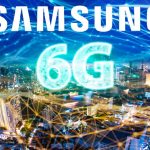
Samsung 6G: Samsung presents its vision for the upcoming generation of communications technology in its 6G White Paper. Samsung wants to make every aspect of life the next hyper-connected experience with 6G. Samsung Research, the cutting-edge R&D center under Samsung Electronics’ SET Business, is working to expedite 6G research.

SAMSUNG 6G – The First Ever Contender Of 6G technology !!!

Samsung 6G White Paper; The Vision Towards Next-Generation Communication 6G Technology!

Samsung has always been at the forefront of technological advancements, and now they are gearing up to revolutionize the mobile industry once again with their groundbreaking 6G technology. In this article, we will explore the emergence of Samsung 6G as the first contender in the race towards the next generation of wireless connectivity. We will delve into the key features and advancements of Samsung 6G, its potential impact on the tech world, and the significance of the recently released 6G whitepaper.

n the ever-evolving landscape of technology, the race to innovate and push boundaries never stops. While 5G networks are becoming increasingly prevalent, companies like Samsung are already setting their sights on the next generation of communication technology: 6G. In this article, we will explore the groundbreaking potential of 6G technology as outlined in Samsung’s whitepaper, shedding light on the advancements that await us in the near future.

What is 6G Technology?

6G technology is anticipated to bring advancements in data speed, capacity, latency, and connectivity compared to its predecessor, 5G. It may involve technologies such as terahertz frequency bands, advanced artificial intelligence, holographic communications, and other innovations. Keep in mind that details and specifications may evolve as research and development progress, so it’s recommended to check the latest sources for the most up-to-date information on 6G technology.

Compare 6G with the previous generation (5G) to highlight advancements.

Performance Requirements for 6G: While 5G focused on performance aspects, Samsung defines three categories of requirements to realize the full potential of 6G services: performance, architectural, and trustworthiness requirements. In terms of performance, Samsung aims for a peak data rate of 1,000 Gbps (gigabits per second) and air latency of less than 100 microseconds (μs). These requirements are 50 times the peak data rate and one-tenth the latency of 5G. The table below illustrates a comparison of key performance requirements between 6G and 5G.

Performance Requirement 6G 5G
Peak Data Rate 1,000 Gbps 20 Gbps
Air Latency <100 μs <1 ms

Vision for Samsung 6G

Discuss Samsung’s vision for 6G technology: Samsung, a frontrunner in technological innovation, has laid out its vision for 6G in its whitepaper titled “The Next Hyper-Connected Experience for All.” The company aims to bring a hyper-connected experience to every aspect of life, promising advanced services such as immersive extended reality (XR), high-fidelity mobile holograms, and digital replicas. While 5G is still in its early stages of commercialization, Samsung believes it’s never too early to start preparing for the next generation of communication technology.

Samsung’s 6G Whitepaper:

Blueprint for the Future: Samsung has taken a proactive approach in shaping the discourse around 6G technology by releasing a comprehensive whitepaper. Delve into the details of Samsung’s vision, strategies, and key insights outlined in the 6G whitepaper. Gain valuable insights into the company’s roadmap for the deployment of 6G networks and how it envisions the integration of 6G into our daily lives.

  • Reference Samsung’s 6G whitepaper and any official announcements.
  • Source: The information presented in this article is based on the following sources: Samsung’s 6G Whitepaper or Research area 6G Vision

Samsung 6G White Paper

Samsung Galaxy 6G: A Glimpse into the Future

The Timeline for 6G: According to Samsung’s whitepaper, the research and development of 6G technologies have already begun. The company anticipates that the completion of the 6G standard and its earliest commercialization date could be as early as 2028, with mass commercialization expected around 2030. This timeline aligns with the typical timeframe of around 10 years from research to commercialization for new generations of communication technology.

Architectural Requirements for 6G

In addition to performance requirements, Samsung highlights the importance of addressing architectural challenges for 6G. These challenges include the limited computation capability of mobile devices, the integration of AI from the initial phase of technology development, and the flexible integration of new network entities. By resolving these issues, 6G can provide a seamless and efficient network architecture that supports the diverse needs of users and devices.

Trustworthiness Requirements for 6G

As technology becomes more integrated into our lives, ensuring trustworthiness in communication systems becomes paramount. Samsung s24 recognizes the need to address security and privacy concerns arising from the widespread use of user data and AI technologies. Trustworthiness requirements for 6G aim to establish robust security measures and privacy safeguards to protect users and their sensitive information.

Candidate Technologies for 6G

Samsung’s whitepaper introduces several candidate technologies that could be essential to meet the requirements of 6G. These technologies include the use of terahertz (THz) frequency bands, advanced antenna technologies for improved signal coverage, novel duplex technologies, network topology evolution, spectrum sharing for efficient frequency utilization, and the integration of AI in wireless communications. These advancements will pave the way for faster, more reliable, and more efficient communication networks.

Pushing the Boundaries: Terahertz Frequencies and Beyond

To achieve the ambitious goals of 6G, Samsung is exploring the use of terahertz (THz) frequencies, which surpass the frequencies currently utilized by 5G networks. Terahertz frequencies offer the potential for ultra-high-speed data rates, reaching up to 1 Terabit per second (Tbps), 50 times faster than 5G. However, there are challenges associated with the propagation and reception of frequencies beyond 100 GHz, including path loss, hardware limitations, advanced antenna requirements, and the need for RF channel optimization. Samsung aims to overcome these challenges through research and development.

Reconfigurable Intelligent Surfaces (RIS) and Beamforming

To address the obstacles faced in achieving reliable communication at higher frequencies, Samsung is exploring the use of reconfigurable intelligent surfaces (RIS) and advanced beamforming techniques. RIS, also known as metasurfaces, can enhance signal strength and steer or reflect wireless signals to desired directions. By utilizing RIS, Samsung aims to overcome the limitations imposed by line-of-sight obstacles and improve the coverage and reliability of high-frequency signals, such as millimeter-wave (mmWave) transmissions.

The Role of AI in 6G

Artificial intelligence (AI) plays a crucial role in unlocking the full potential of 6G technology. Samsung is researching AI-based solutions to compensate for signal distortions caused by the nonlinearity of power amplifiers, improving coverage and transmission speed. Additionally, AI can optimize energy consumption in base stations, leading to more efficient network operations. By leveraging the power of AI, 6G networks can provide enhanced performance, reliability, and energy efficiency.

The Roadmap to 6G: Collaboration and Standardization

The journey towards 6G requires collaboration and standardization across various stakeholders, including industry, academia, and government. Samsung is committed to leading the standardization of 6G by sharing its research findings and working closely with partners to drive innovation. The company’s efforts extend beyond developing technologies to shaping regulations and optimizing spectrum utilization for efficient and flexible support of 6G services.

The future of communication holds immense potential with the advent of 6G technology. Samsung’s whitepaper outlines a vision for hyper-connected experiences, advanced services, and unprecedented performance in the realm of wireless communication. By pushing the boundaries of technology, harnessing the power of AI, and exploring new frequencies and architectural advancements, Samsung aims to bring the next generation of communication to every corner of life. As we embark on this journey towards 6G, collaboration, research, and innovation will pave the way for a new era of connectivity and possibilities.

By highlighting Samsung’s entry into the 6G technology race and the significance of their 6G whitepaper, this article aims to provide readers with insights into the future of wireless connectivity. Samsung 6G has the potential to revolutionize industries, enable new applications, and shape the way we experience technology. As we move closer to the 6G world, Samsung is leading the way towards a more connected and immersive future.

Filed Under: Tech Tagged With: 6g, 6g technology, 6g white paper, 6g whitepaper, 6g world, samsung, samsung 6g, samsung galaxy 6g, samsung research, samsung technology, samsung whitepaper, tech, tech laal, tech news, techlaal, techlaal news

  • « Go to Previous Page
  • Go to page 1
  • Go to page 2
  • Go to page 3

Footer

Popular posts:

  • 🏆 PES 2026 PPSSPP Offline Download for Android…
  • ⚔️ God of War 3 PPSSPP Download MediaFire for…
  • WWE 2K26 PPSSPP Download
  • GTA 5 PPSSPP Remastered Download: Grand Theft Auto V…
  • 🔵🔴 Barcelona DLS 26 Kits 2026 – 2027
  • 🐉 Dragon Ball Sparking Zero PPSSPP Download Mod DBZ…
  • Download GTA 5 APK 500MB
  • Naruto Ultimate Ninja Storm Connections PPSSPP Download
  • ✨ ✨ How to DLS 26 Unlimited Coins & Diamonds Download
  • 🔥 Download EA Sports FC 26 PPSSPP Download
  • EA FC 26 Android Mod FIFA 16 Mobile Offline…
  • Download FIFA Mod FC 26 APK: FIFA 2026 Offline
  • DFL 26 APK Mod Android Offline Download – DFL 2026 MediaFire
  • GTA 6 APK Mod Android No Verification Download
  • Download GTA 5 PSP
  • Download GTA 4 PPSSPP iSO File for Android & iOS
  • NBA 2K26 PPSSPP Download ISO SaveData &…
  • Download FIFA 2026 PPSSPP | FC 26 PSP Highly…
  • FC 26 APK OBB+DATA Mod DFL 26 Android Download
  • 🆕 eFootball 2026 PPSSPP Download ISO (English…

Copyright © 2026 · TechLaal.Com